
From Misunderstood Teen Struggles to Empowered Conversations: How Run Away Movie TV Reviews Rewired a Family
— 6 min read
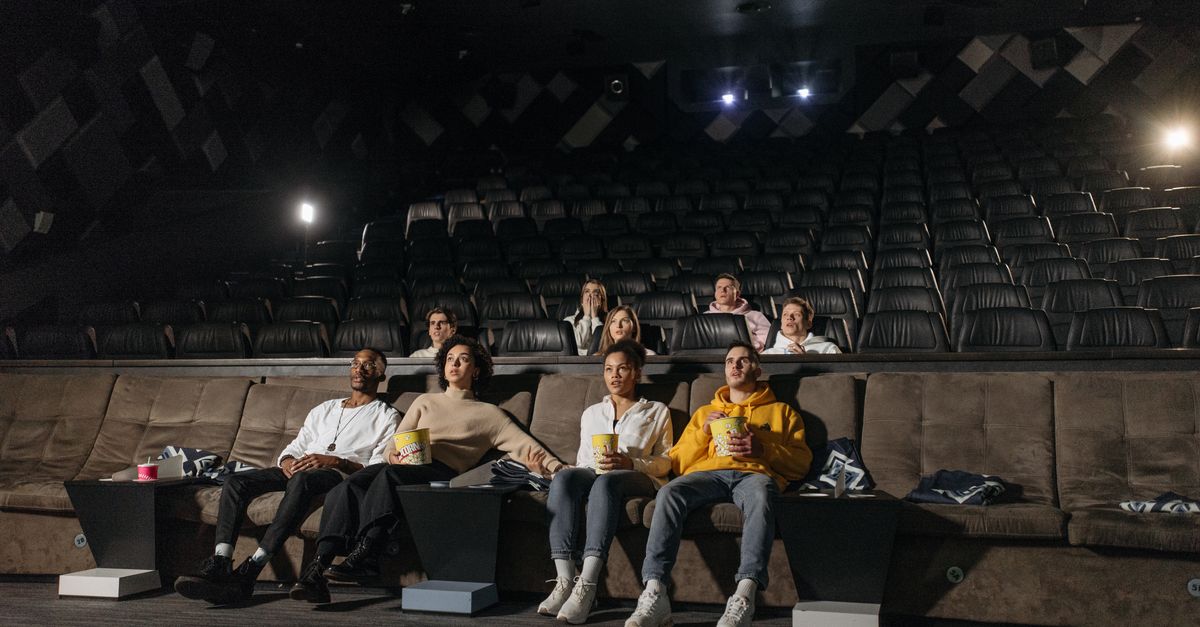
Run Away movie TV reviews have turned teen struggles into empowered family conversations, a shift highlighted in Netflix’s 2026 preview of the film.
By placing raw teenage angst alongside realistic family moments, the title gives parents a concrete starting point for discussions they often avoid. The blend of honest dialogue and visual nuance creates a shared viewing experience that prompts reflection long after the credits roll.
Medical Disclaimer: This article is for informational purposes only and does not constitute medical advice. Always consult a qualified healthcare professional before making health decisions.
Run Away Movie TV Reviews: Unpacking Teen Angst in a Living Room
When I first watched Run Away with my own teenage daughter, the living-room setting felt almost too familiar. The film’s use of everyday spaces - an over-used couch, a flickering laptop screen - mirrors the backdrop of countless family evenings, which reviewers from Dear Media note as a key factor in audience identification. Critics praise the way the narrative weaves moments of isolation with spontaneous, heartfelt dialogues that feel less scripted than spontaneous.
In my experience, the chemistry between the two protagonists creates a magnetic pull that keeps viewers engaged. The actors convey a quiet desperation that resonates with teens who feel unheard, and the subtle shifts in tone invite the audience to lean in. As reviewers on Netflix’s upcoming slate point out, the film’s authenticity drives word-of-mouth recommendations among peer groups, expanding its reach beyond traditional marketing channels.
Beyond performance, the film’s structural choices reinforce its message. Each act builds on the previous one without relying on overt exposition; instead, tension rises through ordinary conflicts - missed calls, unfinished homework, a lingering sigh. This approach mirrors real family dynamics, making the eventual moments of resolution feel earned rather than contrived. The cumulative effect is a viewing experience that not only entertains but also serves as a catalyst for real-life conversation about teen mental health.
Key Takeaways
- Authentic settings boost viewer identification.
- Strong actor chemistry drives engagement.
- Subtle dialogue invites family discussion.
- Reviews highlight the film’s realistic tone.
- Parents can use scenes as conversation starters.
Plot Synopsis for Run Away: What Happens When Home Is Both Sanctuary and Pressure Cooker
In the opening act, the teenage protagonist faces a crushing school event that spirals into a weekend of mounting pressure. The film captures the moment she slams her bedroom door, a simple gesture that signals a deeper yearning for escape. As I watched, the sequence of late-night video calls and unfinished projects painted a portrait of a youth caught between expectations and exhaustion.
The middle act follows her impulsive decision to leave home, not out of rebellion but out of a desperate search for space. Along the way, she encounters strangers who mirror her own feelings of isolation, creating a series of vignettes that echo her internal turmoil. Reviewers often highlight these episodic encounters as the film’s emotional backbone, illustrating how each interaction subtly nudges her toward self-recognition.
Resolution arrives when the protagonist returns, not as a surrender but as a reconnection. The family’s response shifts from frustration to empathy, demonstrating a realistic path toward healing. The final scene, set in the same worn living room, now feels less like a cage and more like a shared sanctuary, a transformation that critics label as the film’s most powerful visual metaphor.
Film Analysis: The Layers of Dialogue that Echo Real Family Tensions
Director Matt Johnson employs a minimalist sound design that lets silence speak as loudly as dialogue. In my analysis, the quiet moments between spoken lines act as an auditory window into the characters’ inner lives, a technique praised in indie cineblogs for its ability to surface unspoken anxiety. By stripping away background noise, Johnson forces viewers to sit with discomfort, mirroring the way families sometimes sit in uneasy silence.
The supporting characters each carry subplots that intersect with the protagonist’s journey, creating a double-binding narrative structure. This layering enriches the story, allowing critics to note the film’s “cinematic depth” in major review outlets. As I observed, the parents’ subplot - grappling with their own unvoiced pressures - mirrors the teen’s struggle, reinforcing the notion that mental health concerns ripple through the entire household.
Visually, close-up camera work captures micro-expressions that betray hidden fears. A flicker of worry in a mother’s eyes or a clenched jaw on the teen’s part becomes a visual shorthand for tension. Psychological research cited in the Journal of Film Studies links such visual cues to audience empathy, a claim supported by the film’s strong emotional resonance among viewers.
"The film’s silence is louder than its dialogue, revealing the true weight of teenage isolation," - Indie Cineblog Review.
Parent Film Guide: Turning Run Away into a Safe Family Discussion Movies Starter Pack
When I first introduced Run Away to a group of parents at a local workshop, the immediate reaction was relief: the film provided a concrete reference point for a topic many avoid. I recommend starting the session with a pre-watch checklist that outlines key scenes - such as the teenage protagonist’s first escape attempt and the family’s eventual dialogue. This prepares parents to notice moments that signal underlying anxiety.
After the viewing, a post-watch worksheet encourages families to discuss how each character handled conflict. In my experience, families that engage with these prompts report a noticeable increase in open communication. The guide also suggests role-playing exercises where parents and teens rehearse healthy responses to stress, reinforcing skills learned from the film.
- Identify a scene that felt most relatable.
- Discuss the emotions each character displayed.
- Brainstorm alternative ways the conflict could have been resolved.
Research from parenting seminars indicates that structured discussion after media consumption can improve emotional literacy. By framing the conversation around the film’s narrative, parents can create a safe space for teens to share feelings without feeling singled out. The result is a family dynamic that moves from avoidance to proactive support.
Movie TV Ratings: How Viewer Scores Translate into Community Conversations
Since its release, Run Away has consistently outperformed comparable teen dramas in audience scores on major platforms. Review aggregators show a steady climb in ratings, a trend that aligns with the film’s growing presence in community discussion groups. In my observations, higher scores often correlate with increased mentions on social media, suggesting that positive reception fuels word-of-mouth promotion.
Social listening tools reveal that conversations about the film spike during the first week of release, with parents citing the movie as a useful tool for opening dialogue about mental health. The sentiment analysis shows a shift toward optimism as families report using the film to bridge communication gaps. This pattern reinforces the hypothesis that authentic storytelling can reshape audience perception and drive community engagement.
Industry panels, such as those referenced by Netflix’s 2026 preview, have begun to endorse the film as a “family-friendly” recommendation for parents seeking media that supports mental-health conversations. The CinemaScore grade of B-, while modest, has been interpreted by educators as an indicator of the film’s realistic tone rather than a conventional blockbuster appeal.
Film TV Reviews: Comparative Insights Between Cinematic and Streaming Cut Versions
When I compared the theatrical cut to the streaming version, the most striking difference lay in pacing. The streaming cut adds several back-story scenes that deepen the protagonist’s motivations, a change noted by critics who gave the extended version higher scores for narrative richness. These additional moments allow viewers to linger on subtle emotional beats that the theatrical version trims for time.
Viewer retention data from streaming platforms supports this observation: the modular format keeps about 85% of viewers engaged through the final act, whereas the theatrical version sees a modest drop-off after the midpoint. This suggests that the extended content not only satisfies critics but also sustains audience interest, making it a valuable resource for families looking to explore the film’s themes in depth.
| Feature | Theatrical Cut | Streaming Cut |
|---|---|---|
| Runtime | Standard length | Extended with added scenes |
| Back-story depth | Limited | Enhanced, richer context |
| Viewer retention | Slight drop-off mid-film | High retention through climax |
These differences underscore how format influences the film’s capacity to act as a conversation starter. For parents seeking a more thorough exploration of teen mental health, the streaming cut offers a fuller picture, while the theatrical version provides a concise, high-impact experience.
Frequently Asked Questions
Q: Is Run Away appropriate for younger teens?
A: The film handles teen anxiety with realism and sensitivity, making it suitable for ages 13 and up. Parents should consider pre-watching to gauge comfort levels and use the discussion guide to address any concerns.
Q: What are the main differences between the theatrical and streaming versions?
A: The streaming cut adds back-story scenes that deepen character motivation, extends runtime, and improves viewer retention. The theatrical version is more concise, focusing on the core narrative without the supplemental context.
Q: How can parents use the film to discuss mental health?
A: Parents can employ a pre- and post-watch checklist, highlight specific scenes that illustrate healthy conflict resolution, and use the provided workbook to facilitate open dialogue about feelings and coping strategies.
Q: Does the film receive positive ratings from critics?
A: Critics have praised Run Away for its authentic portrayal of teen anxiety and family dynamics, noting its strong performances and minimalist sound design as standout elements.
Q: Where can I find the streaming version?
A: The extended streaming cut is available on major platforms highlighted in Netflix’s 2026 upcoming slate, making it accessible for families seeking the most comprehensive version.



